
The Buzz

Newsletter of the Native Bee Society of British Columbia April 2026
Volume 7 | Issue 1

-----
Editors-in-chief: C. Thuring & M. Marriott
Contributors: Bonnie Zand, Paula Cruise, Kath Quayle, Helena Gadzik, Christine Thuring, Sky Jarvis Cover image: Bombus sitkensis on Salix (Willow), photo: Gwendolyn Williams
Buzz Straight to Article:
Annual Master Melittologist Conference
by Bonnie Zand
The yearly gathering of the Master Melittologists occurred on March 14 in Corvalis, Oregon. Participants in this Master Gardener style program for native bees attended virtually and in person from Oregon, Washington, Idaho, New Mexico, and British Columbia. Presentations throughout the day focused on the amazing progress and discoveries made by the many different Bee Atlases supported by volunteers from the Master Melittologist Program. Our own BC Bee Atlas was represented by a highly engaged online contingent. Bonnie Zand presented virtually on behalf of the BC Bee Atlas, sharing the successes of our last year, and the progress we still need to make. Major highlights of 2025 for BC included a transition to managing our data on the public facing platform Ecdysis (read more about this in on our website), and our first data upload to the Global Biodiversity Information Facility (GBIF).

Our volunteers surpassed expectations in 2025, vastly expanding the geographic range of our surveys, and collecting specimens of species rare, undescribed and newly recorded for BC. Not bad for a project only in its second year!
Click on arrow > to advance slides


Award Recipients
Awards were provided to volunteers who went above and beyond in their commitment to the Atlas:
Gwen Williams and twelve tattoo artists were jointly awarded the BC Bee Atlas Partner Award for their amazing contributions to our Pollinator month fundraiser – providing funds that are currently supporting the identification of our 2025 specimens.

Kath Quayle was awarded the Elaine Sedgman Service Award for her amazing contributions to our data reporting, including data analysis for our 2025 City of North Vancouver report.

Jade Lee received the Most Bees Award for her collection efforts, resulting in 1532 specimens added to our Bee Atlas data!

We provided our Northern Net Awards to volunteers who helped us fill in data gaps in the province:

Volunteers who found a rare bee were rewarded for their outstanding contributions to increasing our knowledge of the bee fauna of the province: Matt Young, Bob McDougall, John Schaub, Elaine Sedgman, Elizabeth Hudgins, Jade Lee.
Volunteers who achieved important milestones in their progress through the Master Melittologist Program were also recognized:
First Collection submitted to the BC Bee Atlas: Jennifer Dowd, Caitey Gilchrist, Kiesha Pinto, Caroline Slade, Kiera Stevenson, John Schaub, Mandy Brown.
1000 Bee Collected: Jade Lee, Bob McDougall, Monica Zieper.
First Outreach event in 2025: Elizabeth Hudgins, Kiesha Pinto, Sonya Cader.
Apprentice Level Certificate: Elizabeth Hudgins, Jennifer Dowd, Sonya Cader.
Journey Level Certificate: Jade Lee.
The BC Bee Atlas is the flagship project of the Native Bee Society of BC. It empowers British Columbian community scientists to produce biodiversity data and make amazing discoveries about the provinces wild bees and diverse flora. Online education and data management are supported by the Oregon State University Extension Service Master Melittologist Program.
Bio
Bonnie Zand is an RPBio based out of the Comox Valley on Vancouver Island. She works in the intersections of pollinators and agriculture, running an IPM consulting company, Bonnie’s Bugs IPM. Bonnie is the BC instructor for the Master Melittolgist Program and also teaches the NBSBC’s Mini Bee Schools. Bonnie also runs our online Native Bee Study Group. She loves to help others learn how awesome bees are, and is instrumental to, and passionate about, the NBSBC's BC Bee Atlas.
Master Melittologist Information Session (Recording)
The Native Bee Society of BC presented an information session on March 4, 2026, on the BC Bee Atlas and the volunteer Master Melittologist program that supports it. If you are interested in joining this amazing group of volunteers in making discoveries that are advancing our knowledge of BC native bees and their floral partners across the province, we would love to have you join us. If you missed the session, you can view a full recording of it below, or on our website.
NBSBC and BC Nature Share 2026 BC Conservation and Biodiversity Award
by Paula Cruise

BC Nature and the Native Bee Society of BC (NBSBC) are excited to announce that we have been jointly awarded the BC Conservation and Biodiversity Award for 2026! This award is provided to “the most impactful initiatives brought forward by BC based charities, for specific work contributing to the improvement of the natural environment of BC and the preservation of its wilderness and biodiversity.”
Award funds will support three NBSBC education and outreach initiatives: BC Native Bee Course, Native Bee Genera Profiles, and a native bee curriculum for children. BC Native Bee Course is an annual gathering of bee enthusiasts, master melittologists, amateur entomologists, and wildlife experts learning to survey and identify BC's 500+ species of wild bees. The course includes 3 days of bee genera taxonomy and ID characteristics, as well as 2 days exploring bee habitat and forage in the South Okanagan. The Award will allow NBSBC to expand its bursary and scholarship opportunities for this course, improving accessibility to those wanting to contribute to biodiversity surveys and community science projects like BC Bee Atlas. Details of the BC Native Bee Course taking place June 10-14, including a registration link, are available on the Events page on our website.
NBSBC members are no doubt familiar with the BC Native Bee Genera Profiles. This ongoing project in the capable hands of Jade Lee helps users identify the most common genera in BC with comprehensive photos of identifying characteristics and descriptions of habitat, forage and nesting habits. The Award funds will support the creation of additional profiles that will be available for free download by the end of the year.
Creating resources and curriculum for children and youth has been on the NBSBC wishlist for a number of years. Thanks to the Award and a talented team of melittologists, artists, and educators, NBSBC is creating a program for kids aged 8-12 years to connect them to nature and help guide their curiosity for wild pollinators and their habitat and forage needs. We look forward to sharing a new activity book this summer.
This is the second consecutive year that the BC Nature/ NBSBC team has been recognized by BC Conservation & Biodiversity Awards Foundation and we thank the Foundation for its continued and valued support.
Bio
Paula Cruise has been a member of the Native Bee Society of BC since its founding in 2019 and joined the Board of Directors in 2020. Paula’s interest in wild bees grew as a natural extension to growing food in communities of people and pollinators. She continues to be fascinated by the stunning diversity of wild bees and is particularly interested in how farms and backyard food gardens can support these critical pollinators. Her Sunshine Coast nursery, Buzzing Greens, promotes and sells vegetable plants started from local, open pollinated seeds that offer nourishment and joy in spaces big and small.
2025 Report on Partnership and Surveys with the City of North Vancouver
by Bonnie Zand

The BC Bee Atlas was thrilled to partner with the City of North Vancouver for a second year in 2025. Our volunteer Master Melittologist students collected data that can be used to better understand the native bee species present in the City, and the plant species that they are using. We present our 2025 report here, and are continuing this valuable partnership in 2026. Volunteers with our program are spread across the province, and eager to support bee conservation efforts throughout BC.
Executive Summary
Over the summer of 2025 the Native Bee Society of BC, in collaboration with the volunteer Master Melittologists, surveyed for bees in the City of North Vancouver. Over 9 survey days, 280 specimens from five families, 13 genera and 43 species were collected from 42 different plant species. Four non-bee specimens were also collected on flowers. One species at risk, Bombus flavidus Eversmann, 1852, was observed, as well as five non-native species. When combined with work done in 2024, the total species list for the City of North Vancouver is now 57 species, an increase of 16 species. A species checklist is provided, as well as details on plant use by different bee families.
Interested in Partnering?
Other organizations interested in partnering with the BC Bee Atlas can email us at BeeAtlas@bcnativebees.org to discuss!
Bio
Bonnie Zand is an RPBio based out of the Comox Valley on Vancouver Island. She works in the intersections of pollinators and agriculture, running an IPM consulting company, Bonnie’s Bugs IPM. Bonnie is the BC instructor for the Master Melittolgist Program and also teaches the NBSBC’s Mini Bee Schools. Bonnie also runs our online Native Bee Study Group. She loves to help others learn how awesome bees are, and is instrumental to, and passionate about, the NBSBC's BC Bee Atlas.
Flowers in January
by Kath Quayle
Many in Southwestern BC are finding recent winters warmer and drier than in the past, with spring flowers blooming in January that typically wouldn’t appear for another month or two. In recent years, citizen scientists have been contributing an abundance of data in the public domain using various apps designed to document nature. This crowd-sourced data lets us take stock of changes in ecology, climate, and plant phenology - the study of plant life cycles and how environmental factors may influence them.
Temperature is a well established driver of flowering time in Spring, with many studies showing warming-induced shifts in phenology toward earlier flowering start, as well as later cessation of flowering, and longer flowering duration (Menzel et al, 2006; Dawson-Glass, 2025; A.G. Aufrett, 2021; Büntgen et al, 2022; Parmesan and Yohe, 2023). Additionally, mean temperatures in the month before blooming have been shown to influence timing of early spring flowering (Fitter and Fitter, 2002). The annual New Year Plant Hunt in the UK (press release) has shown that for every 1 °C rise in temperature in the months prior to the plant hunt, an average of 2.5 additional species are in bloom on January 1 (Met Office, 2026).

In Canada, one of the earliest crowd-sourced data analyses of first-bloom-day utilized records from PlantWatch Canada ‘Citizen Science’ networks from 2001-2012 (Gonsamo et al., 2013). These authors found blooming advanced by about 9 days over a 12 year period in 19 plant species, which correlated with 1 °C of warming; unfortunately, no records were available for BC.
With this as inspiration, we went to iNaturalist for crowd-sourced plant observations in our region to see what we could find out about early flowering patterns here.
Data Sources
A dataset was constructed of plants and plants in bloom documented in iNaturalist in January in BC, with associated ecoregion, and weather data. This was done in 4 steps:
A download of plants in BC in January from iNaturalist (search terms: Angiospermae, research grade) (N=27,057, exported 14 Feb, 2026).
Extraction of images from the dataset followed by Image sorting with Pl@ntNet to enable labelling of those ‘with’ and ‘without’ flowers. Photos of plants labelled ‘with’ flowers were manually examined to remove incorrect assignments.
Data was merged with Ecoregion Ecosystem and Biogeoclimatic Ecosystem data from the BC data catalogue based on latitude and longitude of plant observations.
Vancouver, BC weather data from weatherstats.ca was incorporated into the analyses.
Unless otherwise indicated figures and tables are © Kath Quayle CC-BY NC.
What we found
January flowers in BC
The plant dataset contained 27,057 total observations (1980 to 2026). Very few observations were collected before 2019 (N=253) with annual counts ranging from 1 to 69. Because observations were sparse prior to 2019, the analyses were restricted to 2019 to 2026 (N=26,804; Table 1). Note that there may be additional observations added after our iNaturalist download date, particularly for January 2026.
Table 1. iNaturalist observations of plants in January in BC
Year | Observations (N) |
2019 | 2,515 |
2020 | 1,783 |
2021 | 3,618 |
2022 | 2,715 |
2023 | 4,411 |
2024 | 3,343 |
2025 | 4,847 |
2026 | 3,572 |
Plants were documented in 8 of BC’s 9 ecoprovinces, with the vast majority of observations (95%) from the Georgia Depression; the most temperate and populated region of the province. Plants in bloom were documented in 6 ecoprovinces (Fig 1, Table 2).
Figure 1. Ecoprovinces of BC

Table 2. iNaturalist observations of plants in January in different regions of BC
Ecoprovince | Total Observations | Not blooming | Blooming |
GEORGIA DEPRESSION | 23,957 | 22,592 | 1,365 |
COAST AND MOUNTAINS | 1,548 | 1,504 | 44 |
SOUTHERN INTERIOR | 849 | 836 | 13 |
SOUTHERN INTERIOR MOUNTAINS | 346 | 341 | 5 |
SUB-BOREAL INTERIOR | 36 | 36 | 0 |
BOREAL PLAINS | 31 | 31 | 0 |
CENTRAL INTERIOR | 31 | 29 | 2 |
NORTHERN BOREAL MOUNTAINS | 4 | 3 | 1 |
Total | 26,802 | 25,372 | 1,430 |
Note: location information obscured for 2 observations
Between 2019 and 2026, 690 plant species were observed in January; of these, 151 (21.9%) were observed in bloom at least once. The annual number ranged from a low of 186 species (36 in bloom) in 2020 to a high of 412 species (79 in bloom) in 2025. The percentage of plants in bloom ranged from a low of 6.8% in 2023 to a high of 19.4% in 2020.
Of those in bloom in January, 116 species were unique to the Georgia Depression, 14 species were unique to the other ecoprovinces combined, and 21 species were found in the Georgia Depression and one or more other ecoprovinces (Fig 2, Table 3).
Figure 2. Regional distribution of plants in bloom in January 2019-2026
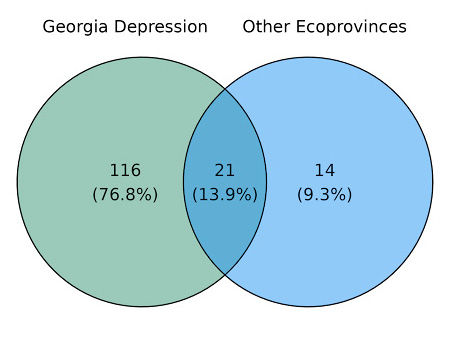
Table 3. Lists of plants in bloom in January in different regions of BC 2019-2026
Ecoprovince | Common Name |
CENTRAL INTERIOR | Ghost pipe, Lodgepole pine dwarf-mistletoe |
COAST AND MOUNTAINS | Annual fleabane, Candy flower, Cascade beardtongue, Common groundsel, Common selfheal, Common snowdrop, Creeping buttercup, Evergreen huckleberry, Gorse, Herb robert, Lawn daisy, Lesser periwinkle, Meadow buttercup, Pearly everlasting, Pink mountainheath, Ragwort, Salal, Salmonberry, Scotch broom, Slender hook-lobed dandelion, Spotted knapweed, Western fairy-slipper, Western sweet coltsfoot, Winter jasmine |
GEORGIA DEPRESSION | American witch-hazel, Annual fleabane, Annual meadow-grass, Arbutus, Armenian blackberry, Beach knotweed, Beach strawberry, Beaked hazelnut, Bear’s-foot sanicle, Bearberry, Bifid hemp-nettle, Bird's-eye speedwell, Bloody crane's-bill, Borage, Broad-leaved helleborine, Bull thistle, California poppy, Candy flower, Cherry-plum, Common cat's-ear, Common centaury, Common chickweed, Common dandelion, Common gaillardia, Common grape hyacinth, Common groundsel, Common hazel, Common hedge parsley, Common ivy, Common mallow, Common ramping-fumitory, Common selfheal, Common snowberry, Common snowdrop, Common sow-thistle, Common vetch, Common viper's bugloss, Common whitlowgrass, Common yarrow, Cornflower, Cottonbatting plant, Creeping buttercup, Cutleaf deadnettle, Dutch yellow crocus, Eggleaf spurge, Eurasian sweet violet, European holly, European searocket, European spindle tree, Evergreen huckleberry, Feverfew, Field madder, Field mustard, Fireweed, Foothill desert-parsley, Gorse, Greater periwinkle, Greater snowdrop, Green alkanet, Green snowdrop, Hairy bittercress, Hairy manzanita, Hardhack, Heath speedwell, Henderson's shooting star, Herb robert, Horseweed, Ivy-leaved toadflax, Laurustinus viburnum, Lawn daisy, Lesser periwinkle, Nipplewort, Old man's beard, Orchard grass, Oregon grape, Oregon gumplant, Osoberry, Oxeye daisy, Pacific bleeding heart, Peach-leaved bellflower, Pearly everlasting, Perennial cornflower, Petty spurge, Pleated snowdrop, Pot marigold, Prickly sowthistle, Purple rock cress, Ragwort, Red alder, Red campion, Red clover, Red deadnettle, Red huckleberry, Red valerian, Red-flowering currant, Redstem stork's-bill, Rose campion, Rose-of-sharon, Rustyhair saxifrage, Salal, Salmonberry, Satinflower, Scentless mayweed, Scotch broom, Sea thrift, Seablush, Shepherd's cress, Shepherd's-purse, Small camas, Small-flowered blue-eyed mary, Snapdragon, Spotted knapweed, Spotted lady's thumb, Spurge-laurel, Staghorn sumac, Summer snowflake, Sweet alyssum, Tansy, Threeleaf foamflower, Trailing bellflower, Trailing blackberry, Western skunk cabbage, Western sweet coltsfoot, White campion, White clover, White sweet-clover, Wild carrot, Wild radish, Wingstem monkeyflower, Winter aconite, Winter honeysuckle, Winter jasmine, Woodland crocus, Woodland madia, Woolly yarrow |
NORTHERN BOREAL MOUNTAINS | Yukon bellflower |
SOUTHERN INTERIOR | Alfalfa, Arrowleaf senecio, Common yarrow, Rubber rabbitbrush, Sagebrush buttercup, Smooth sumac |
SOUTHERN INTERIOR MOUNTAINS | Common dandelion, Common groundsel, Lodgepole pine dwarf-mistletoe, Meadow hawkweed |
Effects of winter temperatures on January blooming
For these analyses, we restricted the dataset to observations in the Georgia Depression and used temperature data for Vancouver to represent weather trends in this region.
Plant observations collected in January of any given year may vary for a number of reasons such as weather conditions that deter people from getting outdoors as much, whether or not there’s snow on the ground hiding plants from view, and the ability of the observer to identify dormant plants. There was variability in the number of observations made year-to-year, but no apparent link with December or January temperatures.
Using a similar approach to that used in the analysis of the UK Plant Hunt data, we looked at previous mean December temperatures in the context of January blooming. We found mean December temperatures over the study period ranged from a low of 1.1 °C in 2021 to a high of 7 °C in 2023, with the number of observations of plant species in bloom in January peaking in 2025 (Table 4).
Table 4. Number of observations of plant species in bloom in January and winter temperatures - Georgia Depression 2019-2025
Year | Observations (N) | Mean previous Dec temperature (oC) |
2019 | 139 | 5.0 |
2020 | 96 | 5.5 |
2021 | 170 | 5.4 |
2022 | 93 | 1.1 |
2023 | 75 | 1.5 |
2024 | 135 | 7.0 |
2025 | 403 | 6.1 |
2026 | 254 | 6.3 |
The extent of blooming followed December temperature fluctuations from year-to-year (Fig 3). Years with warmer mean temperatures in December generally resulted in greater numbers of species in bloom in January than years with cooler Decembers (Fig 3A). However, other factors clearly come into play as the number of observations of plants and the number of species in bloom peaked in 2025 when winter conditions in December 2024 (mean temperature 6.1 °C) and in January 2025 (no snow recorded, and mean daily temperatures only dropping below zero on the last day of the month) were relatively mild. In contrast, despite a particularly warm December 2023 (mean temperature 7.0 °C), January 2024 was harsh, with around 36cm of snow fall, snow on the ground for at least a week, minimum temperatures dropping to -10 °C in the first half of the month, and mean daily temperatures below zero for around 10 days; all of which likely contributed to lower numbers of observations of plants in bloom in 2024.
Figure 3. The number of plant species in bloom in January is related to the mean temperature of the previous December (3A), while total number of species observed is not related (3B)

Native versus non-native plants
In general, although not always, early flowering due to warming occurs more often in non-native species than native species (Dawson-Glass, 2025). We found 8 of the top 10 most commonly observed plants with flowers in January in the Georgia Depression were non-native species (Table 5).
Table 5. Top 10 plant species with January flowers - Georgia Depression 2019-2026
Plant species | Common name | Observations (N) | Native/Non-native |
Galanthus elwesii | Greater snowdrop | 257 | Non-native |
Bellis perennis | Lawn daisy | 127 | Non-native |
Ulex europaeus | Gorse | 89 | Non-native |
Geranium robertianum | Herb Robert | 68 | Non-native |
Cytisus scoparius | Scotch broom | 64 | Non-native |
Oemleria cerasiformis | Osoberry | 56 | Native |
Senecio vulgaris | Common groundsel | 52 | Non-native |
Galanthus nivalis | Common snowdrop | 47 | Non-native |
Achillea millefolium | Common yarrow | 39 | Native |
Daphne laureola | Spurge-laurel | 31 | Non-native |
The most commonly observed flower in January in all years of the study period was Galanthus elwesii (greater snowdrop), peaking in 2025 along with most of the other top 10 species (Fig 4). Notably, two species showed an upward trend in 2026, Ulex europaeus (gorse) and Senecio vulgaris (common groundsel), perhaps suggesting greater phenological sensitivity (in this case, the degree to which flowering time shifts in response to temperature).
Figure 4. Observations of individual plant species in bloom spiked in January 2025 - Georgia Depression 2019-2026

Plants that flowered in 2025 but in no other year may be of interest as indicators of species that can adapt well to a future generally warmer climate. Of these, only two were native to BC (Table 6).
Table 6. Typical flowering time of species that flowered in January 2025, but in no other year
Species | Common name | Flowering time | Status |
Arctostaphylos uva-ursi | Bearberry | April to June | Native |
Centaurea montana | Perennial cornflower | May to August | Introduced |
Centaurium erythraea | Common centaury | June to August | Introduced |
Echium vulgare | Common viper's bugloss | June to August | Introduced |
Erigeron annuus | Annual fleabane | June to September | Introduced |
Euphorbia oblongata | Eggleaf spurge | May to July | Introduced |
Euphorbia peplus | Petty spurge | May to November | Introduced |
Galeopsis bifida | Bifid hemp-nettle | July to August | Introduced |
Galanthus plicatus | Pleated snowdrop | January to May | Introduced |
Galanthus × valentinei | Snowdrop | January to May | Introduced |
Geranium sanguineum | Bloody crane's-bill | May to August | Introduced |
Lapsana communis | Nipplewort | May to July | Introduced |
Rubus ursinus | Trailing blackberry | April to August | Native |
Silene dioica | Red campion | June to August | Introduced |
Silene latifolia | White campion | May to August | Introduced |
Teesdalia nudicaulis | Shepherd's cress | March to May | Introduced |
Trifolium repens | White clover | April to September | Introduced |
Veronica officinalis | Heath speedwell | April to July | Introduced |
Note: Flowering time range was sourced from UW Burke Herbarium and Flora of America accessed via North West Wildflowers, and Wikipedia.org
Effects of phenological change on pollinators
There is concern that a warming climate will lead to the emergence of floral resources and the emergence of bees getting out of sync. Encouragingly, there is growing evidence that at least in temperate zones like ours, wild bees also show phenological flexibility allowing them to maintain their relationships with the floral resources they require (Bartomeus et al, 2011; Cane, 2021; Guidi and Bousselot, 2024).
Conclusion
This first look at early flowering trends in BC over the last 8 years shows how citizen science can inform our knowledge of the impacts of a warming climate in our region. Following emerging ecological change is an important component of conservation efforts to preserve native species, and protect habitats. We observed that higher December temperatures were associated with a greater absolute number of flowers in January and a greater number of different species in bloom. The increase was most profound in non-native species. The fact that the Georgia Depression region often hovers near zero degrees in winter may make it a particularly sensitive bellwether of climate change. As a next step, it will be interesting to look at crowd-sourced data documenting wild bee emergence in the context of early blooming plant species.
Bio
Kath Quayle is a passionate citizen scientist based between Vancouver and Galiano Island, Kath with a love for collecting and analyzing ecological data. In addition to the NBSBC, she volunteers with the the Institute for Multidisciplinary Ecological Research in the Salish Sea (IMERSS), and the Galiano Conservancy, contributing to a range of conservation projects across the region.
References
Auffret AG. Historical floras reflect broad shifts in flowering phenology in response to a warming climate. Ecosphere. 2021 Jul;12(7):e03683.
Bartomeus I, Ascher JS, Wagner D, Danforth BN, Colla S, Kornbluth S, Winfree R. Climate-associated phenological advances in bee pollinators and bee-pollinated plants.
Proceedings of the National Academy of Sciences. 2011 Dec 20;108(51):20645-9.
British Columbia Data Catalogue. https://catalogue.data.gov.bc.ca/dataset/ecoregions-ecoregion-ecosystem-classification-of-british-columbia
Büntgen U, Piermattei A, Krusic PJ, Esper J, Sparks T, Crivellaro A. Plants in the UK flower a month earlier under recent warming. Proceedings of the Royal Society B: Biological Sciences. 2022 Feb 1;289(1968).
Cane J. Global warming, advancing bloom and evidence for pollinator plasticity from long-term bee emergence monitoring. Insects. 2021 May 16;12(5):457.
Dawson-Glass E, Schiafo R, Miller CN, Kuebbing SE, Stuble KL. Toward a comprehensive understanding of the phenological responses of non-native plants to climate warming: a review. Annals of Botany. 2025 May 9;135(6):1029-46.
Fitter AH, Fitter RS. Rapid changes in flowering time in British plants. Science. 2002 May 31;296(5573):1689-91.
Gonsamo A, Chen JM, Wu C. Citizen Science: linking the recent rapid advances of plant flowering in Canada with climate variability. Scientific reports. 2013 Jul 19;3(1):2239.
Guidi M, Bousselot J. Earlier flowering phenology and pollinator visitation on urban green roofs compared to ground-level gardens. Land. 2024 Feb 2;13(2):178.
iNaturalist. https://inaturalist.ca/observations?month=1&place_id=7085&quality_grade=research&taxon_id=47125
Menzel A, Sparks TH, Estrella N, Koch E, Aasa A, Ahas R, Alm‐Kübler K, Bissolli P, Braslavská OG, Briede A, Chmielewski FM. European phenological response to climate change matches the warming pattern. Global change biology. 2006 Oct;12(10):1969-76.
Northwest Wildflowers. https://nwwildflowers.com/flora/?source=WA
Parmesan C, Yohe G. A globally coherent fingerprint of climate change impacts across natural systems. nature. 2003 Jan 2;421(6918):37-42.
Wikipedia. https://en.wikipedia.org/wiki/Main_Page
Art Contest: Bee Inspired - Art for Conservation

The Native Bee Society of BC, in partnership with the Horticulture Centre of the Pacific, is excited to present Bee Inspired – Art for Conservation. This province-wide juried art competition and outdoor exhibition celebrates the wonder and importance of British Columbia’s native bees. Featuring artwork from across BC, this exhibition invites visitors to experience the connection between creativity, ecology, and conservation.
Artists from across British Columbia are invited to submit bee-inspired works that reflect native bees and their habitats.
Accepted media include:
Sculpture
Pottery
Painting
Photography
Mixed Media
Metal
Glass
Selected artists will have their work exhibited at the Gardens of the Horiculture Centre of the Pacific in Victoria, BC, from August 8-21, 2026.
Full details about and how to participate as an artist or as a visitor to the exhibition are available on our website.
The Glorious Makeover that Nobody Noticed
by Helena Gadzik
After being stuck at home for what felt like one hundred and seven years (also known as “since September”), I was finally invited to give a talk about native bees at Seedy Saturday.
This was my moment. I was still limping. I was still on crutches. But inside? Inside I was ready to be magnificent. Glorious. Radiant. Possibly unforgettable.
Clearly, this required a makeover. I marched - well, gently hobbled - into a hair salon and showed my stylist a picture of Meryl Streep in The Devil Wears Prada.
“This,” I said, pointing with great authority, “is what I would like”.
She studied the photo. Then she studied me. “The colour?” she asked.
“Oh,” I said bravely. “Pearly….or smoky. Something elegant.” She nodded slowly.
“And the style?” she asked. “Surprise me,” I said. (This, as it turns out, is a dangerous sentence.)
Soon, mysterious substances were being applied to my hair. I watched in the mirror as my dignified future slowly transformed into... something else. At first, it looked pale. Then it looked…. warmer. Then it looked… decidedly apricot.
My hair began to stick out in directions that suggested it had developed independent opinions. I smiled bravely. This was part of the transformation. Great beauty requires courage.
I left the salon looking... different.
At home, I immediately placed my head under the faucet and introduced my hair to a generous amount of purple shampoo. Once. Twice. Three times (for good measure and mild panic).
My hair considered this effort and remained cheerfully apricot. I surrendered. The next day was my talk. I arrived with my crutches, my carefully chosen outfit, and my extremely ordinary extraordinary hair.
Helena showcasing the brilliance of Native Bees at Seedy Saturday in Campbell River
And something unexpected happened. Nobody gasped. Nobody whispered, “Who is that glamorous woman?” Nobody even squinted. My hair, it turned out, had achieved a rare and powerful state: It was so unusual…. that it looked completely ordinary.
But then I began to speak.
I spoke about native bees - about their secret lives, their quiet brilliance, their tireless work in the background of the world. And suddenly I felt wonderful. Not because of my hair. Not because I looked like Meryl Streep (I did not). But because I was doing something I loved.
And that, it turns out, is far more noticeable than any haircut.
In conclusion:
If you ever decide to say “Surprise me” to a hairdresser, be prepared. You may not become glamorous. You may become… apricot.
But if you love what you do, you will shine anyway!
Bio
Helena Gadzik is an artist and native bee champion who lives in Campbell River, BC, and is a graduate of the apprentice Master Melittologist Program. She has been a member of the Native Bee Society of BC since 2022, and is also a member of the Washington Native Bee Society.
Film Review: My Garden of a Thousand Bees
by Christine Thuring
Thanks to my partner's skills with VPN, I recently watched the documentary, My Garden of a Thousand Bees. It was truly astounding and supremely delightful. This film brought to life images of bees I'd only ever seen as stills, and behaviours I'd only ever read about, now alive with movement, texture, colour, and personality. Watch the trailer here.
Summary
When acclaimed wildlife filmmaker Martin Dohrn was in lock-down during the covid-19 pandemic, he turned his attention / cameras to his relatively wild Bristol garden. The film, My Garden of a Thousand Bees, follows his obsession to record all the bee species in his tiny garden, and to furnish the cameras (and one-of-a-kind lenses forged at his kitchen table) to properly capture their lives. In the end, he catalogued more than 60 different species, from Britain’s largest bumblebees to scissor bees the size of a mosquito.

The film captures the lives of several individual bees over the course of several months, with Dohrn observing differences in behaviour and characteristics. The most wonderful part is that he eventually gets so close to some of the bees that he can identify individuals by sight, even in flower patches on the other side of the city. His documentation of these small and intense lives is a feast for the senses and pure delight for the heart.
The film was released on Wednesday March 25, 2026 on BBC Four, and UK viewers can watch the programme subsequently on BBC iPlayer. Beeple on Turtle Island (North America) can watch via PBS. I'm going to try and contact the film maker for permission to show the film in Canada. Stay tuned!
Bio
Christine Thuring is a founding director of the NBSBC and was an active volunteer right from the start. She co-established The Buzz newsletter in 2020, and served on the Executive Board from 2021-2025. With a background in environmental science and plant biology, Christine is passionate about native bees, green roofs and climate action. Via her small consultancy, Ecotone, Christine is committed to enhancing conditions for wild bees and biodiversity in the built environment .
Genera Profile: Four New Profiles

Genera Highlight Instead of our usual Genera Profile this issue we are highlighting something extra special. Thanks to the generous Special Projects Grant from the Entomological Society of British Columbia we are thrilled to announce four new Genera Profiles of our beautiful BC Native Bees!
Thank you so much to the Entomological Society of BC for making this possible. These new bee genera profiles are currently available for free download on our website. We will highlight each of these new profiles in the coming months.
Find out more about the Entomological Sociey of BC:
Upcoming Events
Terrace Seedy Saturday Spring Gardening Fair & Seed Swap, April 4, 2026, 10am - 2pm, 101-2812 Hall Street, Terrace, BC
Stop by and say hello to your local NBSBC native bee champions at this event featuring Seed Swap, Vendors, Workshops on Beekeeping and Backyard Chickens, Information tables, and more. Find out more here.
Interested in representing BC Native Bees at a Seedy Saturday (or other local event) in your community? There are still Seedy Saturday events coming up in 100 Mile House and Hazelton. Check out this list of local Seedy Saturday/Sunday events, and email us at nbsbc@bcnativebees.org with the subject line "SEEDY SAT/SUN" if you'd like to volunteer to help spread the bee love!

Native Bees and Botany Club, Wednesday, April 22, 7pm, on Zoom
Our online study group in April will unite Bee and Plant Nerds alike! Join Lori Weidenhammer and friends to dig into our iNaturalist data and discuss plant/bee relationships. This session is open to all levels of bee and/or plant knowledge! We look forward to seeing you there. RSVP here.
Earth Day at Trout Lake, Sunday, April 26, 11am-2pm, Trout Lake Community Centre, Vancouver, BC
Come visit the NBSBC table at Trout Lake Community Centre's 5th annual Earth Day celebration on April 26. The event features lots of fun workshops and activities for the whole family to enjoy while learning how to be better environmental stewards. Find out more and register for the FREE event.

Cowichan Mini Bee School (Two-day Bee Biology and Identification Workshop), Saturday, May 9-Sunday, May 10, Vancouver Island University, North Cowichan, BC
Have you always wanted to know how to ID the amazing diversity of bees buzzing around your flowers? Where do they nest, what do they eat, and how can you support them? Join our Bee Biology and Identification workshop! Taught by Guest Instructor Jade Lee, this two-day session will start in the classroom at the VIU Cowichan Campus from 9am to 4:30 pm to provide you with identification strategies for common native bees, as well as in depth information on their nesting, overwintering, and flower preferences. The following day, from 10am to 3pm, we will go on a "Bee Quest" at Providence Farm, exploring local natural areas and observing bees and their habitat in the field. This workshop is suitable for beginner to intermediate students and will focus on recognizing common bumble bee species and common solitary bee genera. Find out more and register.

Victoria Mini Bee School (Two-day Bee Biology and Identification Workshop), Saturday, June 5-Sunday, June 6, Horticulture Centre of the Pacific, Victoria, BC
Horticulture Centre of the Pacific (HCP) and Native Bee Society of BC are proud to partner this summer to bring you a two-day Mini Bee School at the beautiful HCP Pavilion and Gardens in Victoria. Day one of this fascinating course will take place in the HCP Pavilion to provide you with identification strategies for common native bees, as well as in depth information on their nesting, overwintering, and flower preferences. Day two, use your identification knowledge as you collect and observe native bees and their plant associations in the native flower fields of Satinflower Nurseries. This adult workshop is suitable for beginner to intermediate students 17+ and will focus on recognizing common bumble bee species and common solitary bee genera. Find out more and register.

BC Native Bee Course 2026, June 10-14, Penticton, BC
Take a deep dive into the wonderful world of bees with our BC Native Bee Course. Learn to distinguish and identify BC's native specimens with our 2026 Native Bee Course and Field Trips are being hosted in Pentictonthis year, taught by lead instructor Lincoln Best and co-instructor, Jade Lee. The lab component takes place over 3 days, June 11-13, at Okanagan College in Penticton, BC. Field trips occur over the weekend of June 14-15 at the Burnell Lake Rec Site, and are also open to those who do not take part in the lab component so you can join us in the lab, in the field or both! Find out all about it and register online here.
Support our Upcoming Pollinator Month Fundraiser in June!
Help us raise funds for our flagship project, the BC Bee Atlas! We are planning a fundraising blitz for the month of June, culminating in Pollinator Week (June 22-28th). We are asking our supporters to consider the following ways of sponsoring our fundraising:
Help us raise matching funds - we want to get $5000 in matching pledges before June begins, so that we can match donations as they come in - do you know an organization or donor who would be willing to pledge funds? We have a pitch here to share with them.
Approach a local business and ask them to donate a portion of the proceeds from a product to the NBSBC during pollinator week - we would be happy to give them a shout out on our socials!
Run a small fundraiser during or before Pollinator week:
Host a by-donation bee walk, talk, garden tour, movie night or BBQ.
Auction off a service or artwork you made and donate the funds.
Sell extra pollinator friendly seeds or plants from your garden and donate the proceeds to the NBSBC.
We can help advertise your event - reach out to BCnativebees@gmail.com with "Pollinator Month Fundraiser" in the subject line.
Tell your friends, neighbours and acquaintances about the NBSBC and the BC Bee Atlas, and share our social posts during June - we will be featuring some of the amazing bees our volunteers are documenting!
Funds raised through this campaign directly support the identification of the amazing bees our BC Bee Atlas volunteers collect. As we work through our 2025 material, we are documenting species never before recorded from the province, as well as rare species, species with highly specialized plant associations and undescribed species! The funds raised during June will allow us to continue this essential work. Please reach out to fundraising@bcnativebees.org for more information.
Recent Events
Bee Atlas / Master Melittologist Information Session, March 4, Online
The Native Bee Society of BC presented an information session on March 4, 2026, on the BC Bee Atlas and the volunteer Master Melittologist program that supports it. If you are interested in joining this amazing group of volunteers in making discoveries that are advancing our knowledge of BC native bees and their floral partners across the province, we would love to have you join us. If you missed the session, you can view a full recording of it on our website.
Seedy Saturdays in February and March, in person, throughout BC!
Our friendly NBSBC volunteers have been getting out to Seedy Saturday and Sunday events across the province to showcase the wonderful world of BC's bees. We (and the bees) are immensely grateful for their advocacy and enthusiasm! The photos below offer a taste of some of these recent events:
Saturday, February 7, Cache Creek, Elaine Sedgman

Saturday, February 14, Victoria, Bob McDougall, Argelia, Emily Carmichael,

Sunday, March 8, Kelowna, Lori Weidemhammer and Brian Peterson
Saturday, March 14, Silverton, Valerie Huff and Trish Hanuszak (photos 1 & 2); Kamloops , Sky Jarvis and baby Cove, Elaine Sedgman, Suzanne Marsel (photos 3 & 4)
Saturday, March 21: Cobble Hill, Jade Lee and Gwendolyn Williams (photo 1); East Vancouver, Jane Lakes (photo 2); Campbell River, Helena Gadzik (photos 3 & 4); Sarah Johnston, Salmon Arm (no photos)
Saturday, March 28, Williams Lake, Kiera Stevenson and Kris Andrews
Sunday, March 29, Duncan, Jade Lee and Gwendolyn WilliamsFe

Plant-Based Foodie: Bee-Inspired Cuisine
Chocolate Peanut Butter Eggs
Recipe shared by Sky Jarvis

Ingredients:
1/2 cup natural peanut butter
1/2 cup almond flour
2 scoops vanilla protein powder
1/2 cup chocolate chips
1 tsp coconut oil
Filling
Mix peanut butter, almond flour and protein powder until a dough forms. Shape into egg shapes and freeze on parchment paper lined sheet pan or platter for 1 hour.
Chocolate Coating
Melt chocolate chips with coconut oil, dip each egg, then place back on parchment paper. Top with salt flakes if desired. Freeze again until set and store in the fridge or freezer.
Do you have a vegan recipe to share? It can be anything (snack, main, drink, dessert) and it doesn't have to be fancy. Send it to us via email with the subject heading, “Newsletter: Plant-based Foodie.”
Connect with us on:
Facebook: www.facebook.com/BCNativeBees/
Instagram: @bcnativebees
Interested in getting more involved with the society?
Contact us at: bcnativebees@gmail.com


The connection between their conservation and local ecosystems is truly compelling. I wonder if you could explore ways communities can gd actively participate in bee-friendly practices, perhaps through workshops or local initiatives. It would enrich the conversation even further!
Your perspective on this topic is both unique and enlightening. This piece provides a fresh and compelling take on the subject. choicer voicer packs
The latest issue of The Buzz provides a fantastic overview of the incredible efforts by the Native Bee Society of BC, particularly highlighting the significant progress of the BC Bee Atlas. The dedication of Master Melittologist program volunteers, like those recognized for their collection efforts and contributions to data management on Ecdysis, is truly inspiring for advancing our understanding of native bee populations. For anyone considering contributing to these vital conservation initiatives, the Master Melittologist Information Session offers a clear pathway. The recording explains how to join this amazing group of volunteers and contribute to advancing our knowledge of BC native bees and their floral partners, with BC Bee Atlas Lead Bonnie Zand detailing the program and ways to participate…
Landing a perfect flip in Wacky Flip feels way more satisfying than it should, especially after failing the same jump five times.
This guide explains router login in a logical and easy-to-read format. The information about 10.0.0.0.1 helped me understand a common mistake and pointed me toward the correct approach.